
Sidewalk Herbs
A blog post by Corinne Martin, author of "Louisiana Healing Garden: Medicinal Plants for a Sustainable Future"

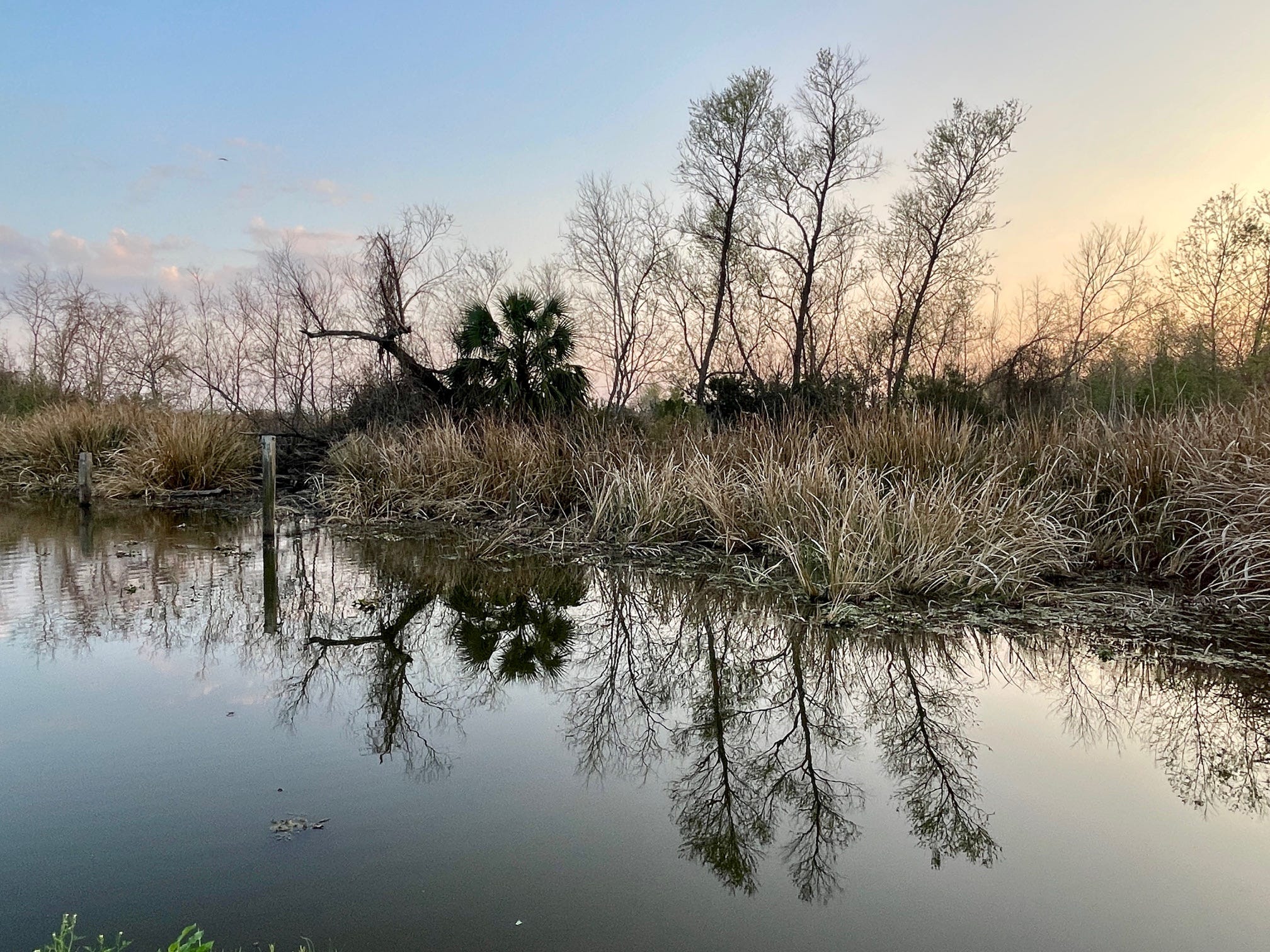
All photos are courtesy of the author.
I think a lot lately about places and how they shape and inform what we know about the world. Growing up in south Louisiana, I was always surrounded by the close warm air, the scents of bayou water and ever-present blooms, the raucous calls of so many birds. Like many Louisiana kids, I looked for any chance to be outdoors. I’d wake while my family was still sleeping and start my “wandering” around the neighborhood—down to the canal, or along the bayou, or through thickets of brush that edged a few vacant lots. I loved my time away from the household routine, or anyone’s watchful gaze. Throughout my childhood, those places with their sounds and smells and curiosities formed the backdrop of my young life and became part of what I recognized as home.
Later, as a young mother, I was prompted by a daughter’s chronic illness to search for gentle ways to approach healing. I remembered my mom talking about the Cajun traiteurs and their use of medicinal herbs, and I decided to learn about the healing plants that surrounded me. Then, when I moved away, I was drawn to the plants that populated that new area as well, and they became a regular part of my surroundings and my healing. For more than forty years now, local herb offerings have become a vibrant, resilient, and dependable backdrop to my everyday life.
As I head now into my later years, I’m even more aware of the ways in which the areas where we’ve sprouted up have informed and shaped our knowledge, not just of the world, but also of who we are. I believe that places hold onto us—that they wrap gnarly tangles around our ankles so our bodies can’t forget where they belong. And I wonder if maybe, as we learn to approach the lands around us with curiosity and respect, we can be led in the direction of healing not just for our own bodies, but for our home ground as well.
In the last few decades, as Louisiana and the country and even the world struggle to find ways to manage weather changes and newly evolving health challenges, once again, I’m taken right back to the land under my feet.
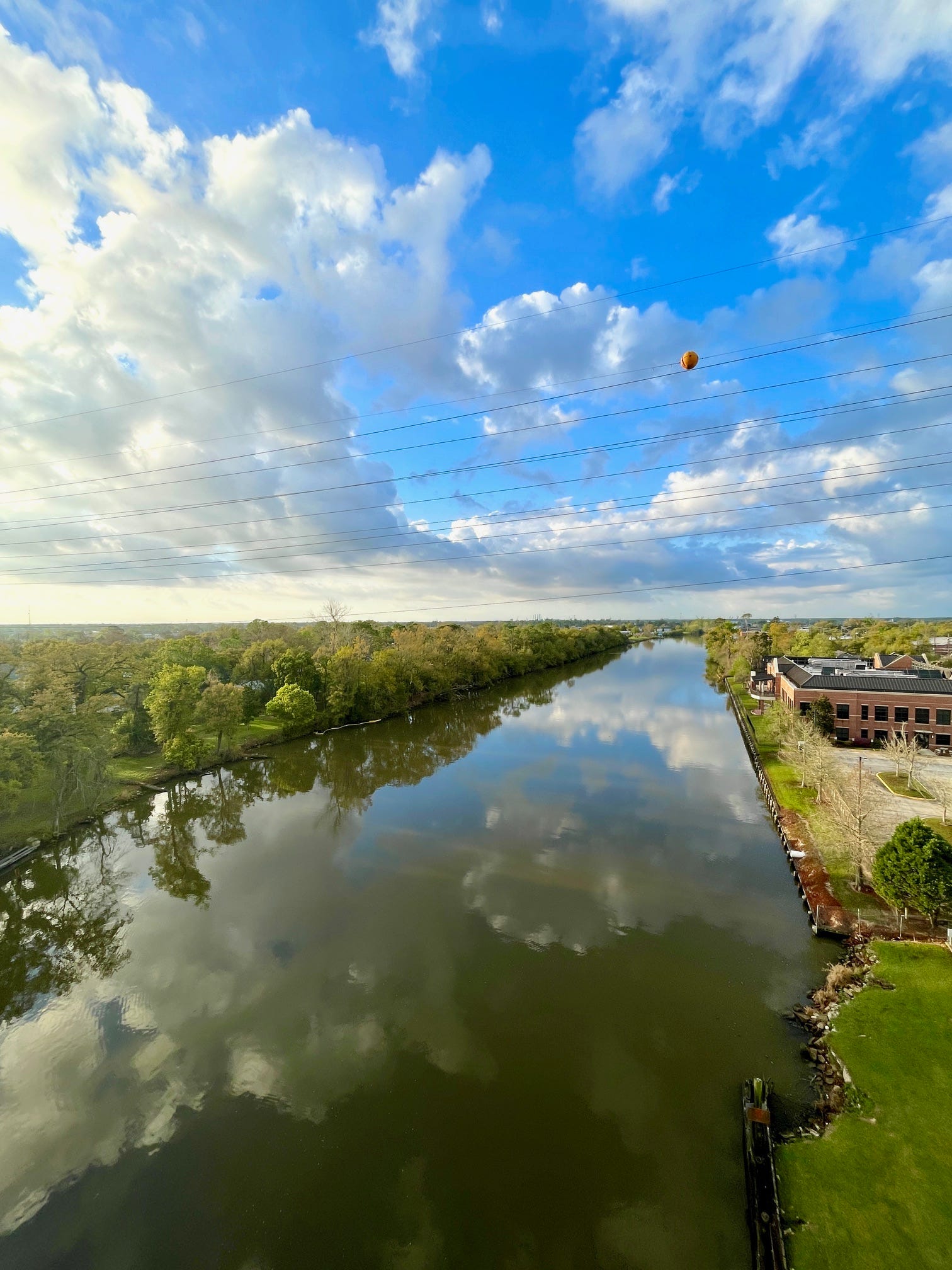
For more than forty years now, local herb offerings have become a vibrant, resilient, and dependable backdrop to my everyday life.
Here’s a little herb journal entry from a few days ago—
This morning I walk along the bayou, and then across the Intracoastal Canal. It’s a warm morning, with a heavy fog that has settled over the land. A few Muscovy ducks chatter at the edges of the bayou, a pelican sails up as a tugboat chugs by, a few walkers brave morning traffic for a view of the sun that struggles to break through clouds.
I inhale the scents of this place—water, damp mud, the sodden bark of the old live oak trees, and car exhaust. This is a new place for me to walk. For a dozen or more years, the batture was my “turf,” and every walk was a treasure trove of beauty and of healing. Now, after selling my house, I am here for a while, in this cityscape that is more cement than dark soil.
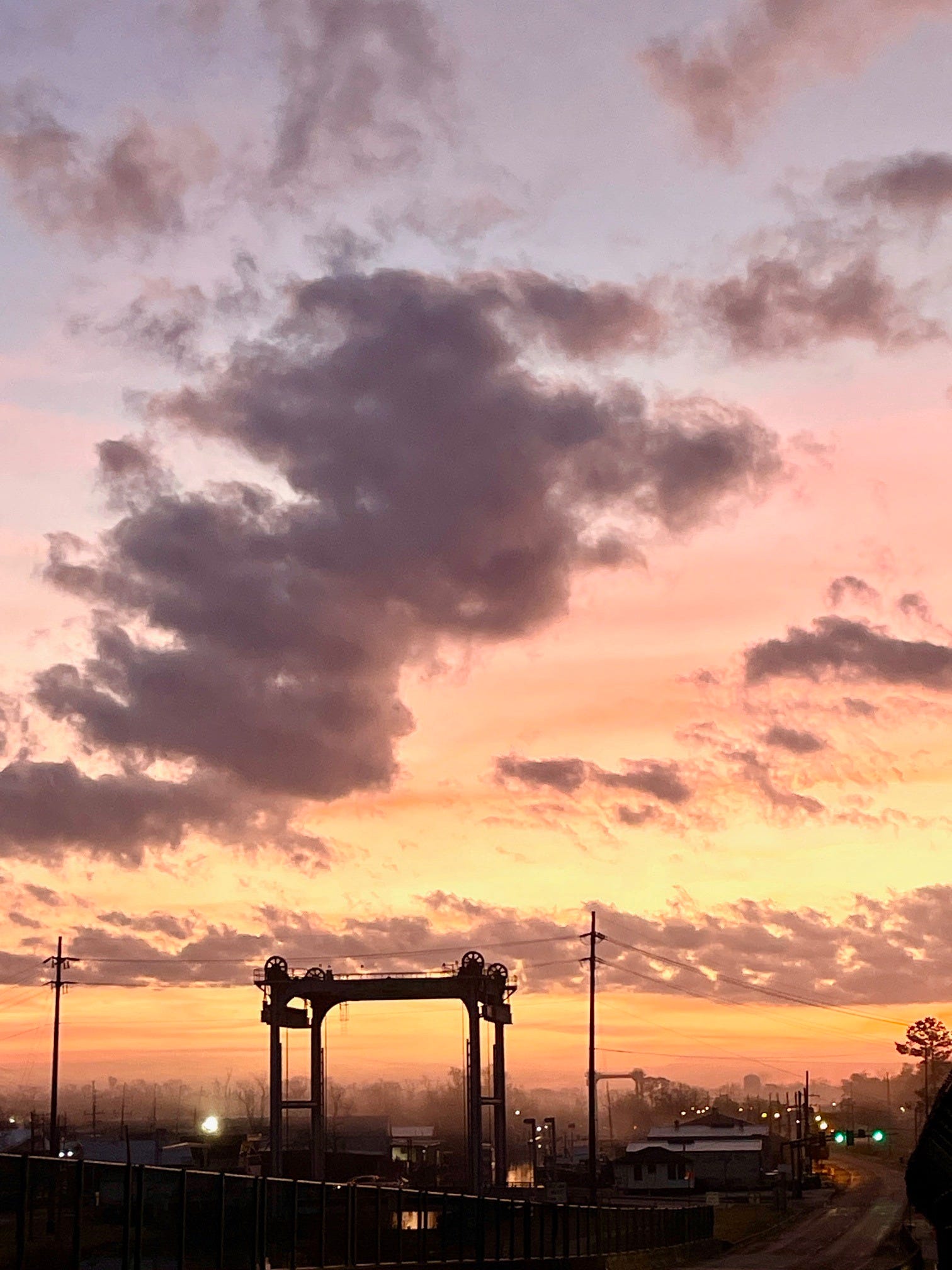
But I’m learning to love what’s around me. A few folks fish at the bayou’s edge, a couple of joggers huff their way up the steep curve of the big bridge, a couple of moms with youngsters wait for the school bus. And the usual critters are keeping an eye on me. The ducks peck at crumbs along the boardwalk, egrets stand motionless at the edge of the bayou looking for breakfast, the feral cats wrap around my legs, hoping to be fed.
In some ways, it’s an edgy place to live—but there’s always something to wonder over and get to know. This morning, right in the middle of the sidewalk, a small green plant with lobed leaves and a tiny blue flower tempts me to lean down, take a photo, look it up. And here it is again—that Louisiana resilience—this time in the form of a gentle healing plant. Speedwell, a species of Veronica, is thriving right in the middle of concrete!
A home-birth midwife told me once that a newborn infant bonds with what it is around for the first 24-48 hours of its life—that could be its mama, or an incubator, or a busy medical staff. But I’ve come to the conclusion that that bonding process might continue throughout early childhood, and maybe even in some small ways through the whole arc of our lives. What we touch, hear, smell, taste, and see becomes our “place”—our little nest. And maybe our self-identity doesn’t end with our skin; maybe, in some way we can’t measure, our “self” includes those sensual influences we pressed against or absorbed over years.

And here it is again—that Louisiana resilience—this time in the form of a gentle healing plant.
If so, I am not just this body—this skin, hair, bone, gristle, voice—I am also the mossy hair of the oak tree branches, the chatter of red-winged blackbirds in early spring, the tiny speedwell that has planted its thready roots in the crack of this sidewalk and produced a flower. Probably, its seeds will remember this home.
Whatever “healing” means, it is far more than a pill or potion we buy in a store. And whatever form it takes, healing can be prompted by a known comfort, an unaided flourishing, a pesky persistence, an unexpected beauty—in a yard, a garden, a rubbled empty lot.
If, indeed, I am made up of this place—these beloved, well-remembered sounds and scents— then just as I am continuously called to move toward my own personal healing, surely I can co-participate in the small but determined steps toward loving and healing this challenged and stupendous home ground. And maybe, in loving this staggeringly beautiful place, this fruitful place, and in trying to figure out how to handle the grief of losing it bit by watery bit, our hearts will grow, even as they’re broken.
By standing right in the middle of so much love, and so much brokenness, we continue to care. At some point, we may have to walk away. But for now, we can love it in small, everyday ways. The old cypress at the edge of the bayou may be gone. But maybe we can find and scatter its seeds in the hope of supporting another tree. The speedwell may be choked by cement, but it reminds us, by having the courage to bloom, that there is still hope. The speedwell is hope. We are the hope. May it be so.
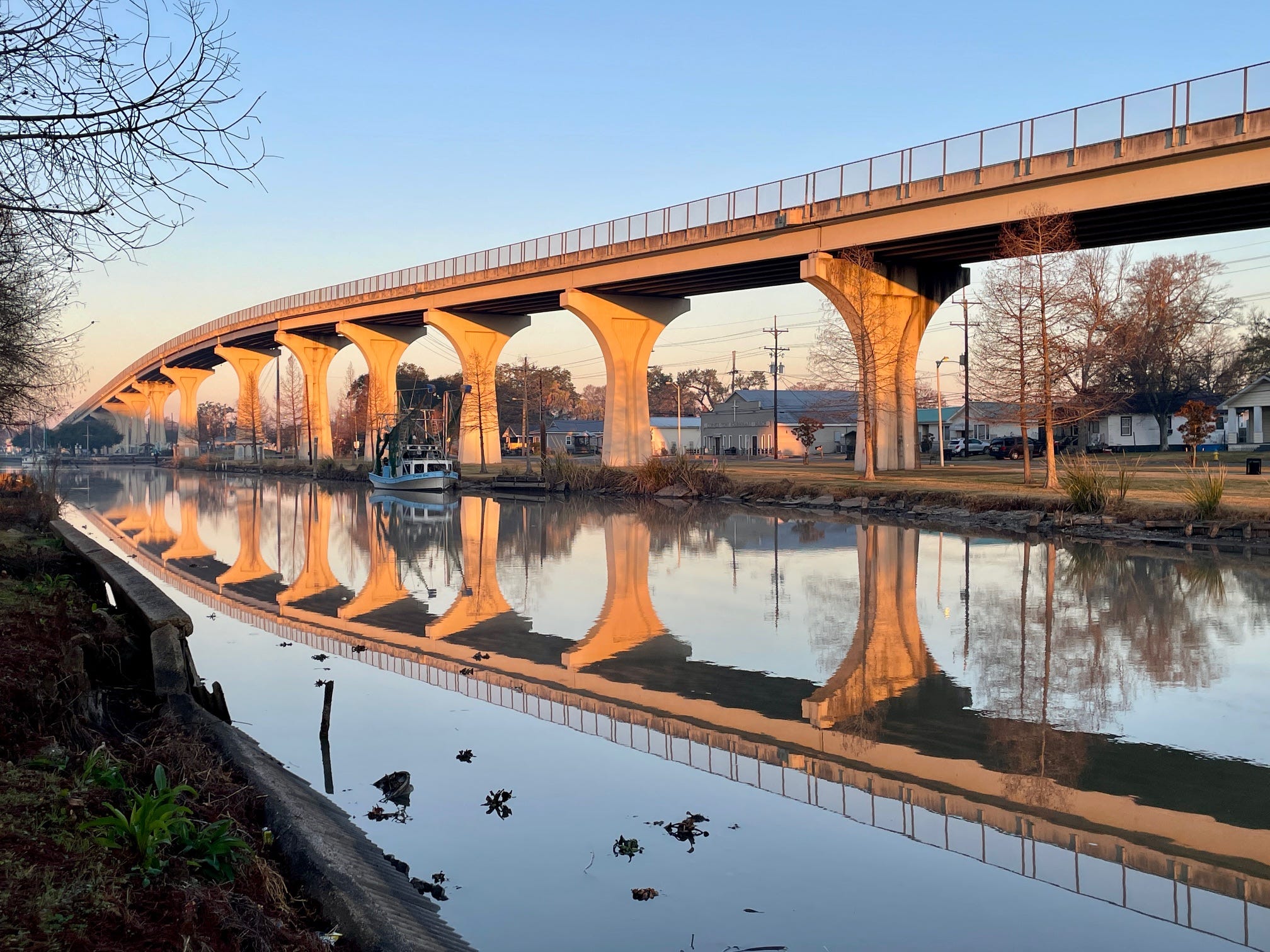
Whatever “healing” means, it is far more than a pill or potion we buy in a store. And whatever form it takes, healing can be prompted by a known comfort, an unaided flourishing, a pesky persistence, an unexpected beauty—in a yard, a garden, a rubbled empty lot.
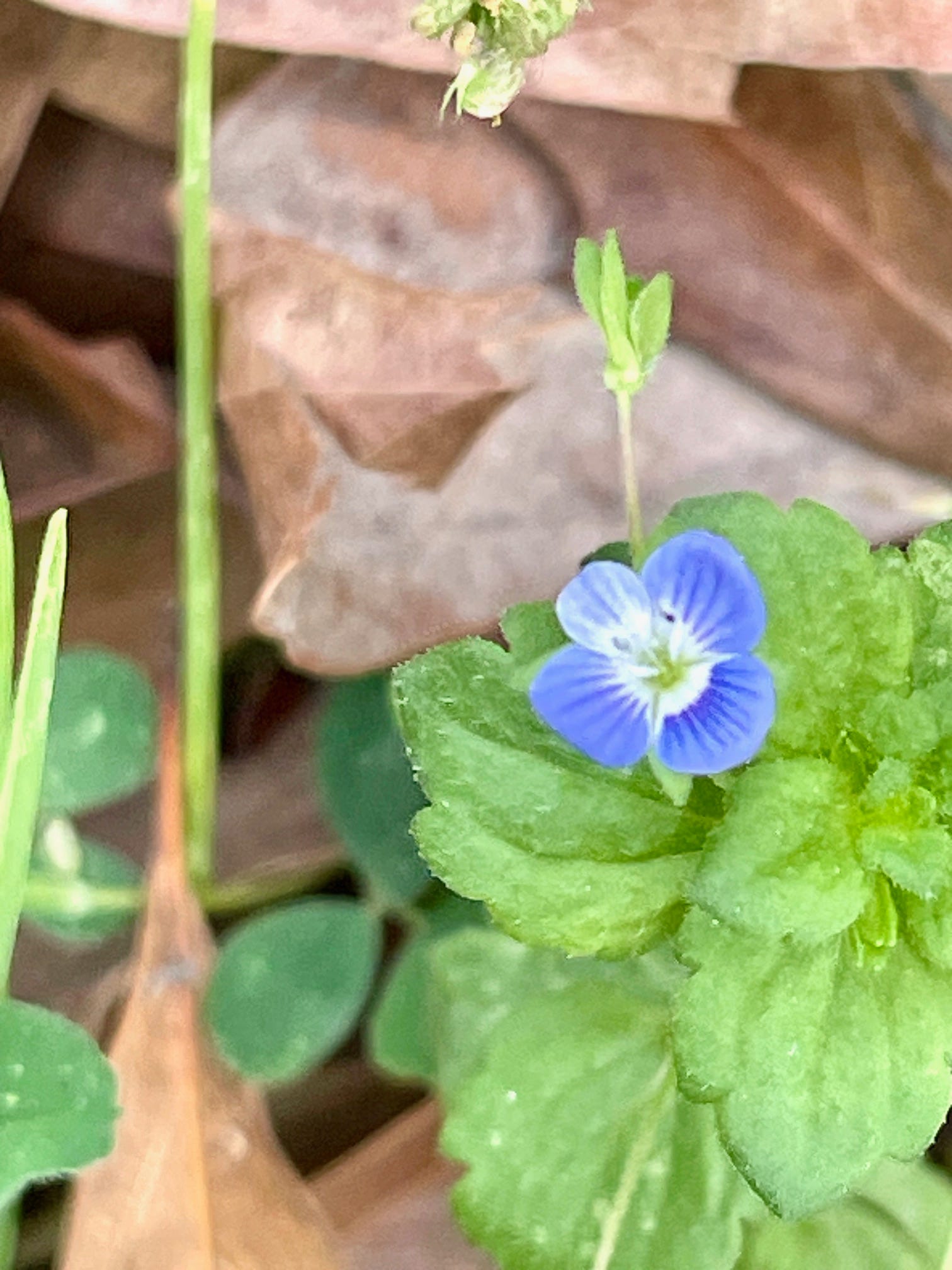
Speedwell (Veronica sp.)
Note: Three species of Veronica (Veronica arvensis, Veronica peregrina, and Veronica persica) grow in Louisiana and share similar healing properties.
For All Veronica Species, Parts Used: Whole plant.

Medicinal Properties: Antibacterial, antimicrobial, antifungal, anti-inflammatory, antiviral, antiparasitic, antioxidant, anticancer, and neuroprotective activities.

Uses: Internal—Anxiety, insomnia; arthritis; coughs; urinary tract inflammations. External—Irritated eyes, small wounds.

Risks: None known when used in moderate dosages. Heavy use may cause nausea.

Natural History: Most species worldwide are noted to be edible and nutritious and are reported to have a flavor similar to watercress. In 1769, Joseph Banks and Daniel Solander collected plants in the Southern Hemisphere that were later published in the genus Veronica, such as Veronica pubescens and Veronica stricta. Although another genus, Hebe, was established in 1789, few botanists initially accepted it, continuing to use Veronica. Native Americans used Veronica species as an expectorant tea for bronchial congestion, asthma, and allergies. Veronica species have been used in traditional Australian and New Zealand medicine for support- ing the nervous system, respiratory tract, cardiovascular system, and overall metabolism. Various species of the herb have been used in Chinese medicine for mild respiratory and arthritis conditions, sore throat, and skin problems. In Ireland and other countries, it was considered to be a good luck charm and was sewn into clothes before a journey to protect against accidents.

Designation: Native American remedy, European traditional healing herb, Korean medicinal plant, Afghani healing plant.

Cultivation: Veronica plants prefer well-drained, loamy soil with plenty of organic matter. They grow in slightly acidic, neutral, and slightly alkaline soil (pH 6.0–8.0). Once established, the plants tolerate drought and need little supplemental watering. Freshly harvested seeds germinate well.

Remedy Form: Edible, tea, tincture.

(Adapted from Louisiana Healing Garden: Medicinal Plants for a Sustainable Future.)
Thanks for reading this blog post by Corinne Martin. Interested in reading more? Here’s a link to Louisiana Healing Garden: Medicinal Plants for a Sustainable Future.
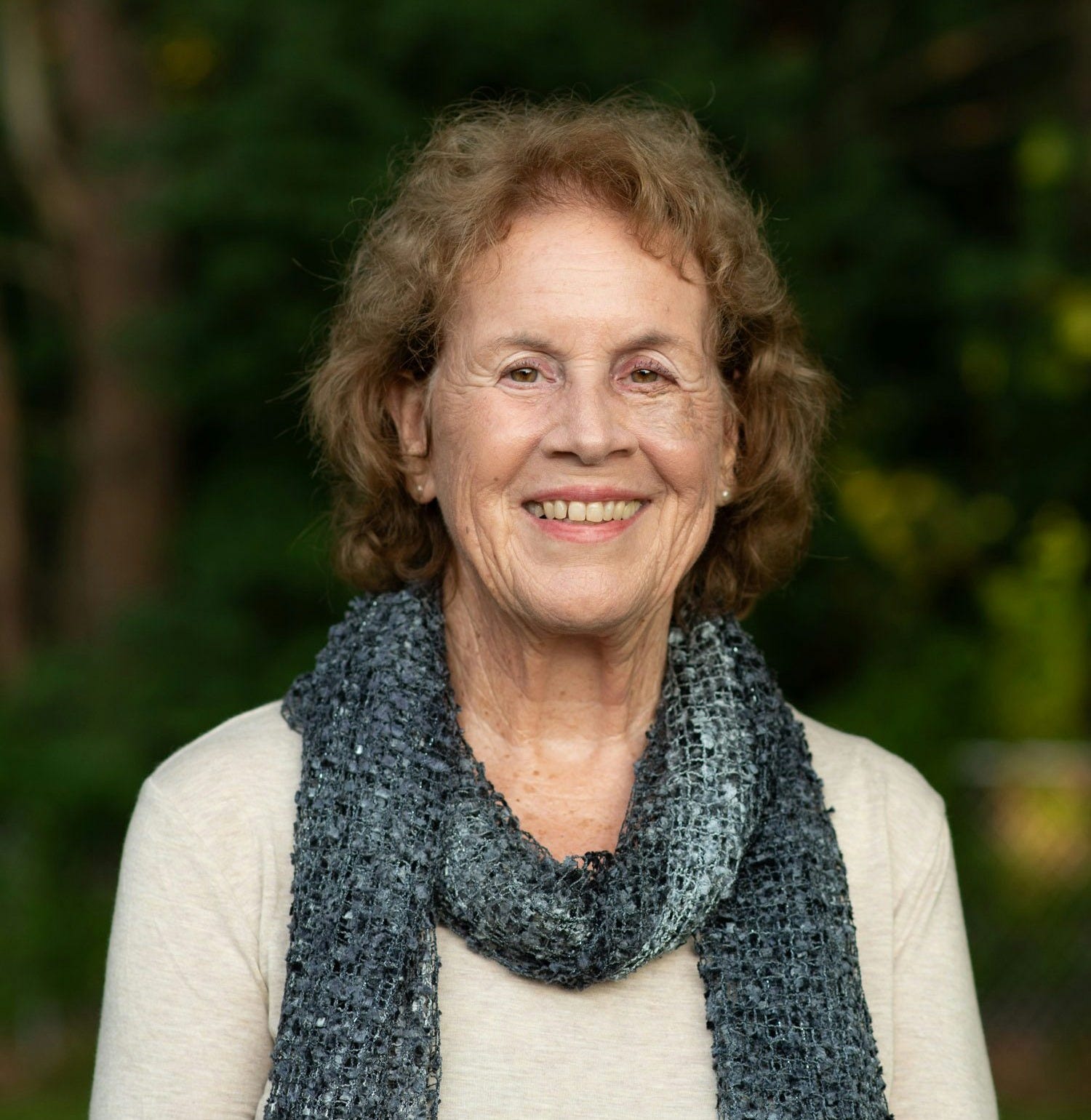
Corinne Martin is a clinical herbalist and amateur naturalist who has worked with medicinal plants for more than forty years. A retired instructor of holistic and integrative health, she has a passionate love for nature and for the lush and threatened environment of her home ground of Louisiana. She is the author of Louisiana Herb Journal (LSU Press, 2022).
We will be back next week with our June newsletter.
Until then,

— The team at LSU Press